Claude Code for Web Ruined My Brain
I built five projects in a weekend…but at what cost? ($150)

Programming is like this now, sorry.
Anthropic recently launched a browser-based version of its Claude Code product. I’ve been using their desktop- (or rather, terminal-) based coding tool for nearly a year. Now it’s on the web, and in their mobile app. I saw the news and shrugged.
But then they did something that caught my interest: They gave me $1,000. Not me specifically. Rather, everyone who pays for the “Pro” plan got $1,000 in Claude “credits”—whatever that means—with the stipulation that we had to use them by November 18th. I love a bargain and appreciate a challenge, so this weekend, I set out to see what it would be like to burn around $100 a day in AI-assisted coding time.
I fit Claude Code’s profile embarrassingly well: I’m a reasonably effective coder and a horrific dilettante, and I have a lot of little digital projects sitting around the house. I know in detail how Computer works and how to make Computer go. And I’ve been vibe-coding for a year now, figuring out the new world.
Want more of this?
The Aboard Newsletter from Paul Ford and Rich Ziade: Weekly insights, emerging trends, and tips on how to navigate the world of AI, software, and your career. Every week, totally free, right in your inbox.
So I knew what to expect—but multiple times in the last few days, I found myself staring in wonder at one of the screens in my life, whether phone, desktop, or laptop. Sweet banana flapjacks, I would mumble, as I compiled a complex native MacOS desktop app (which I’ve never done before), written in Swift (a programming language I don’t know). Great Caesar’s ghost, I’d say as a project I’d shelved five years ago was reanimated and completed in ten minutes. By the power of Grayskull, I’d whistle as I checked in, upon waking up, to find a horrific data migration was now ready to complete and deploy.
The setup is simple. You go to claude.ai/code and point to a GitHub repository. Claude sets up a little Linux container somewhere on Earth and then grabs your code. You tell it what to do with that code. As usual, it’s very fast and clever; it’s still the same Claude underneath. It lists a set of steps, then follows them. But the big difference, critically, is that it runs on their computer, not yours—and it can run for quite some time, chewing through your (currently free) pennies.
It feels radically different—some ineffable combination of product maturity, zero setup, and the fact that you “program” whole apps by typing sentences into your phone and then jumping on a train, checking back half an hour later. It added up to a completely ridiculous weekend during which I:
- Fully ported my old blog, which is crafted from a custom, incredibly obscure, disturbing data format I first came up with in 1999, to a tidy new CMS powered by Python.
- Created an attractive (IMO) MacOS-native music production app which not only produces MIDI events, plays songs, and integrates with Teensy 4.1 hardware, but includes an integrated baby IDE for editing Lua code files. It even made a serviceable icon in a range of sizes.
- Migrated a legacy U.S. government database in Microsoft Access with obscure field names spread over 50 separate tables and around 8,000 separate variables, to a modern web application that more or less works, with text-based RAG querying.
- Relaunched an old project focused on timeline visualization with a new TypeScript frontend and backend, and a much-improved spidering and parsing engine.
- Created a completely functional clone of OwnCast, which I sometimes use to watch old movies with other dads, simply because too many friends whined that they didn’t like the way chat worked. I deployed it, then watched a movie with it.
I’ve spent $150 so far. Like I said: I wanted to use those credits.
Did I just create a ton of tech debt? Yeah, but I have a tool to address it. Did I blow up my weekend? A little. But I was doing a lot of it on my phone, with time I might otherwise spend looking at Instagram. Programming in Claude Code is like playing with a Tamagotchi, if a Tamagotchi was a forty-person engineering and product team, and instead of producing little digital poops, it could instead deploy database-backed web applications with type-safe API interfaces and React frontends.
Working this way feels weird. It’s less “thinking” and more “being gavage-fed cognitive nougat directly into your nougat brain.” Or I guess a nicer way to put it is that I used to feel like I was building a ship, and now I feel like I’m steering one.
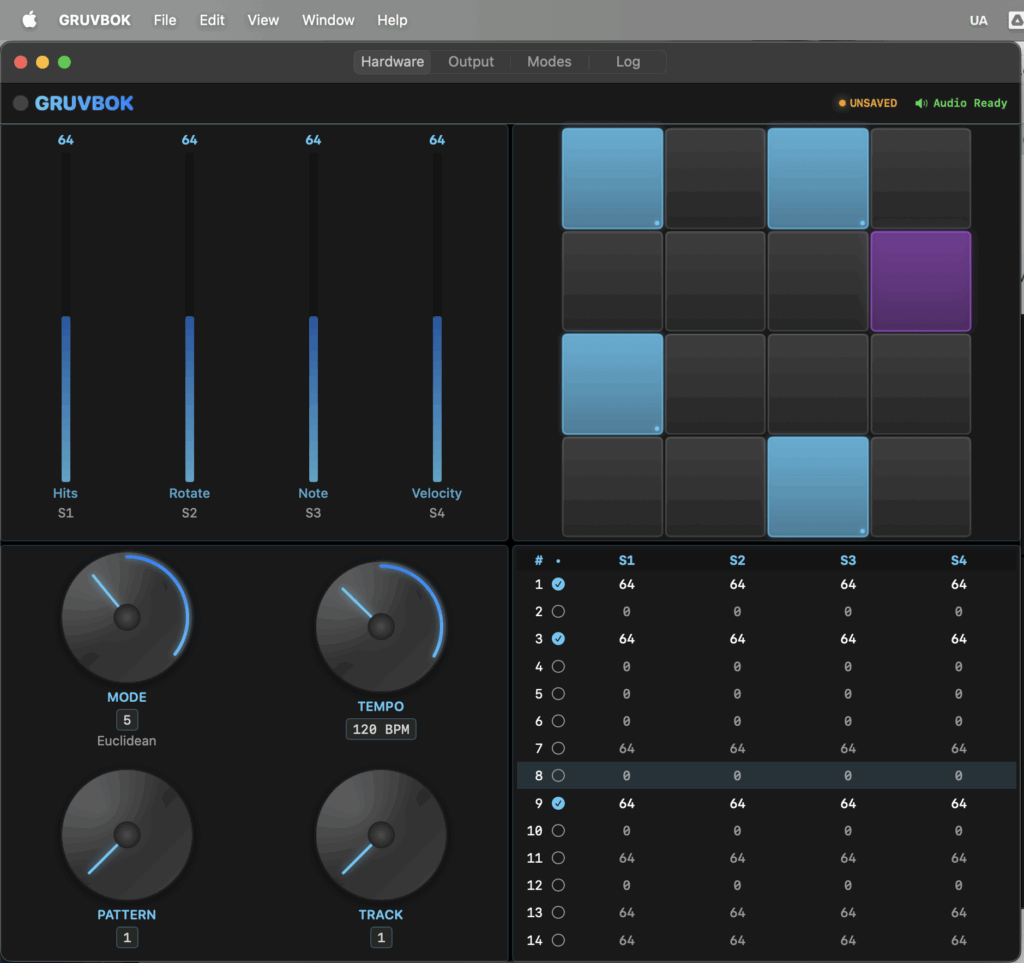
Sometimes it gets into pickles. I spent a painful hour trying to figure out how to make padding work in my MacOS music app. For a while, it chopped up the video on my Owncast clone. But I know a lot—too much, really—about data migration, data types, and document schemas. The work it did in that department was…exemplary. Teachable. It felt really weird, like my 20s and 30s had been erased by a time-traveling robot.
Amusingly, it often provides estimates of its own efforts: It will tell you things will take six months, and it will price things, too—hundreds of thousands of dollars. As a professional software-cost estimator, these tend to be extremely on the nose—for 2022. But in 2025, one can type, “Do all of that; sounds like a bargain” and it does it in fifteen minutes for maybe 50 cents.
The Claude Code app is also somewhat broken. The screen sometimes blanks out; they’ll fix that. Maybe if I was burning this money out of my own pocket instead of using free credits, I’d give up more easily. But I just unlocked five years of personal tech debt (admittedly, a concept that very few people might share) in a couple of days. This is where I’m supposed to add all kinds of caveats about how AI can never replace a human. But in this case, it did the work I was putting off for years because I knew it would take me months.
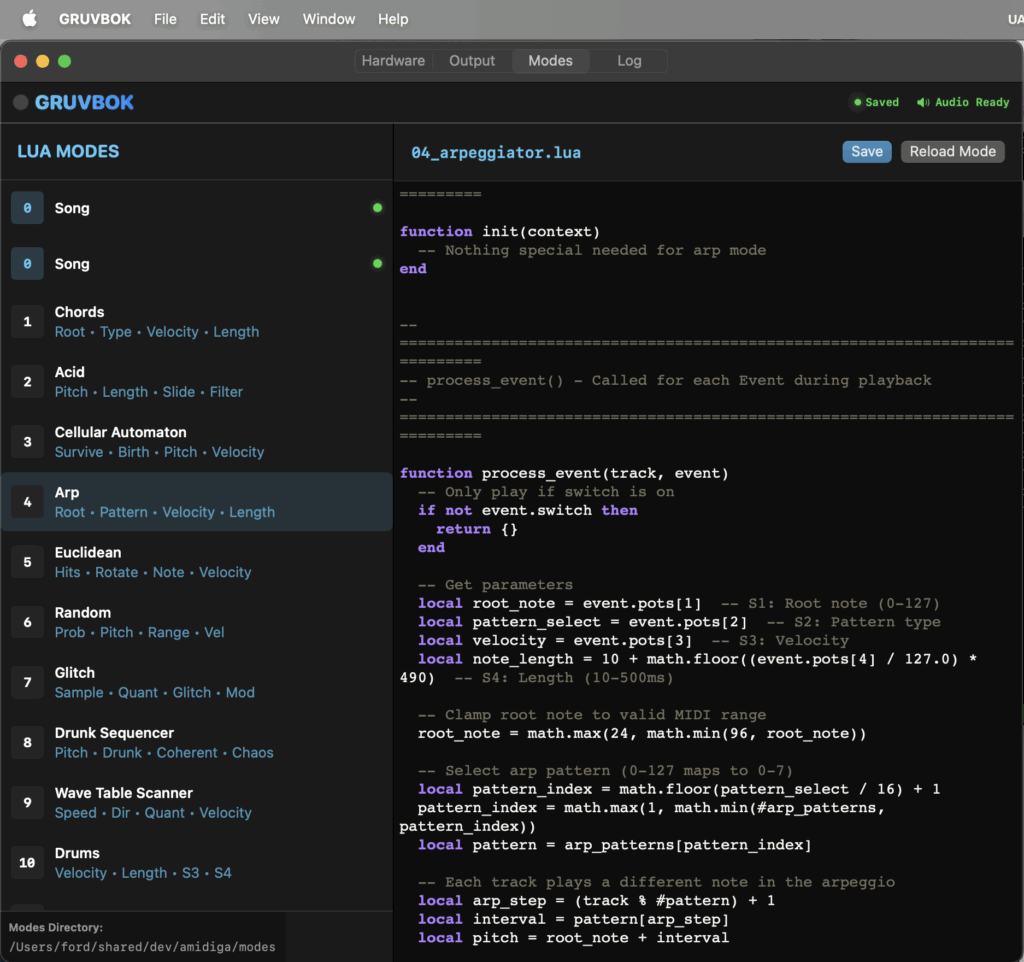
What conclusions can you draw here? Right now, all of them.
What I’ve found is that when exposed to these tools, people sometimes fully reject them—which I get. Or they naturally ask: How do I thrive here? Engineers are excited to get so much done so quickly; product managers are interested in launching their own apps without needing engineers; designers are curious about building prototypes that are also full-featured apps. People are thrilled to cut each other out, their managers are wondering if they need so many people, and their managers are wondering if they need so many sub-managers. At a conference I attended recently, people wanted to show me their vibe-coded apps and talk business models, and the apps looked great—but I couldn’t tell if they spent months on them, or minutes.
I get why individuals and businesses want to capture this value for themselves, but they can’t: There’s too much happening too fast. I think the only way through this is to find what works and give it away—share prompts, open code (the groovebox is here if you want it; I’ll open the other stuff later). Walk the halls and show people what’s going on.
For our company? That’s what we’re doing. We help people onboard with our software, but we help them understand the rest of these changes, too. They’re excited, just like we are—and unnerved, of course. But my guess is if we just keep helping, stuff can work out.
For the first time in my life, I simply cannot think fast enough to fill up the pipeline of projects. Literally every dumb idea can become real software in an hour, and these code-development tools are steadily improving as products—iteratively, regularly—so quickly that I can’t predict where we are a year from now. It doesn’t feel normal, maybe there’s some huge rug pull on the horizon, but I don’t think so. AI is still the messiest tech I’ve ever seen. It’s just that it’s starting to deliver on its promises, and that the pace of advancement seems to be accelerating. I’m sure we’ll find the limits; we always do. And there’s always the possibility that I’ve been taken in by magic tricks.
Except: My blog database works, the content migration was clean, the groovebox beep boops, the legacy database can be queried with vector search to find similarities, and my friends watched a movie with me and we used the chat interface.
So! How was your weekend?