I Can Finally Afford a Butler…But I Might Get Fired
The two big lies of AI—and the third way that works.
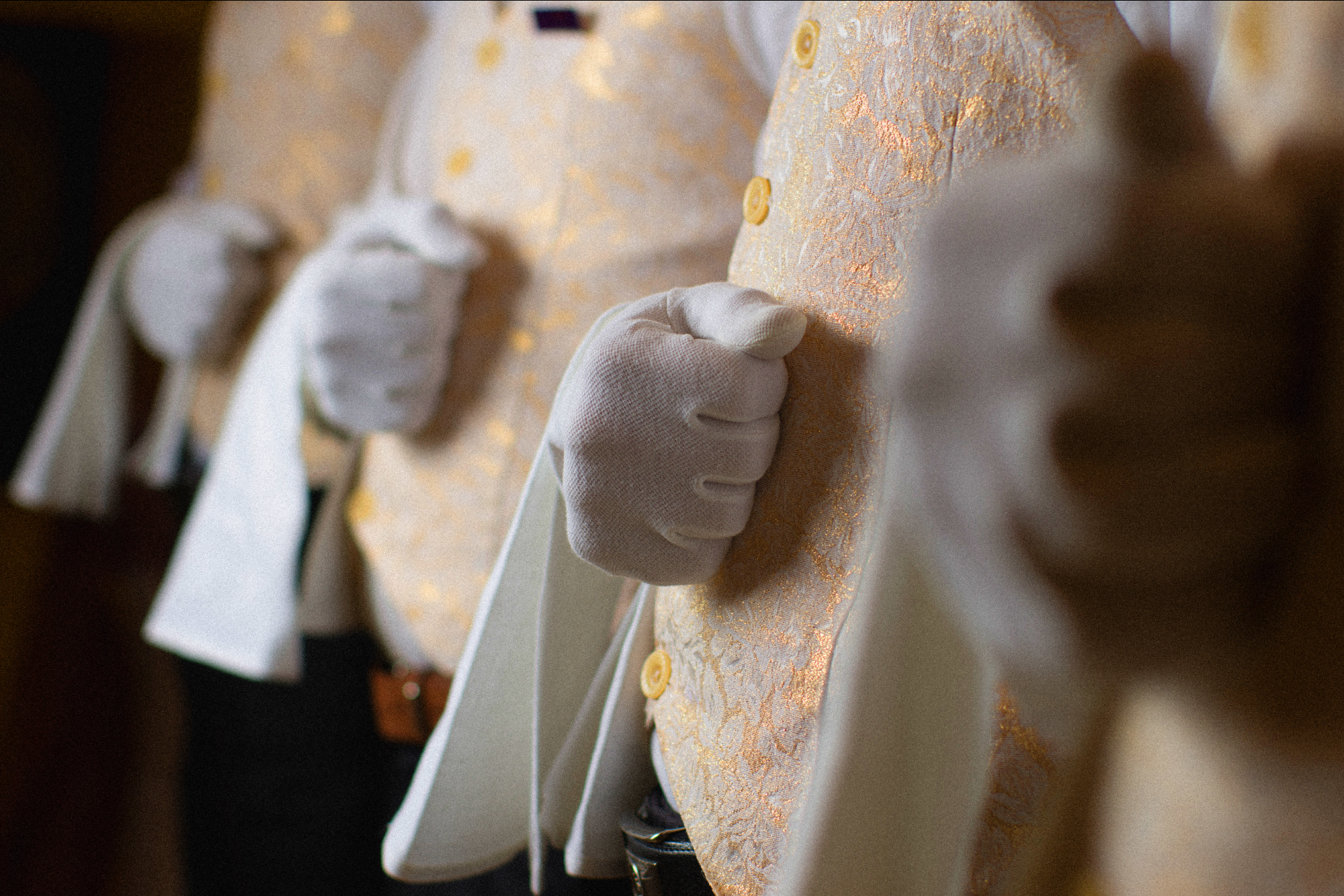
The Remains of the Day Job.
Inherent in the big, global conversation about AI is a paradox: It’s either a dutiful, perfectly compliant servant that does what you ask, or a replacement for humanity that will take your job. So which is it, butler or boss? I think both are wrong, and I’ll tell you why.
AI companies aren’t sure what they’re for, and AI users aren’t always sure, either. As a result, we’re in the “individual empowerment” phase of the AI revolution. Just about every headline, update, or product release trumpets what AI can do for you—the individual. Agents, we’re told, will look out for your interests and sign deals on your behalf. You don’t have to do anything at all: Sit back, relax, and reach your full potential.
Meanwhile, one thing AI can do pretty well is code. Engineers, a pretty entitled bunch to begin with (sorry, but here we are), are embracing AI on these terms. They’re vibe coding all day. “I can finally work on more interesting challenges while it ports over that annoying Snowflake integration.” Claude Code is essentially a shrink-wrapped interdisciplinary engineering team, replete with project managers and QA testers. It breaks, but those did too, and it’s a lot cheaper.
Want more of this?
The Aboard Newsletter from Paul Ford and Rich Ziade: Weekly insights, emerging trends, and tips on how to navigate the world of AI, software, and your career. Every week, totally free, right in your inbox.
Now the rest of us—a large percentage of whom are also pretty entitled—are being asked to join the party. Anthropic’s Claude Cowork is meant to be our team of assistants. It takes over your computer and opens apps (meh), pastes and formats things (boring) and will even send an email to your friend with the cells in your spreadsheet that are worth talking about (whatever). No more stupid mouse clicks.
Is that too much work for you? Clawdbot, the current AI flavor of the month, tirelessly works all day and night, proactively pinging you on your favorite chat app like a dutiful assistant. It runs on one of your computers and churns away at tasks and is ready to respond to just about any request. It’ll purge your unopened newsletters, keep a lookout for cheapest airfares, and give you a briefing of news you care about every morning. A true digital butler.
A Warning
All of these concierges, butlers, and assistants can make you feel empowered and special, in a petty sort of way. But I’m convinced: This is false empowerment, and you need to resist it. Just as social media made us more likely to stay indoors, AI tools today can lead us to stop growing our craft and just…go get coffee with a friend while Clawdbot chews through PDF files.
The whole thing has American Dream signaling (“I got to $200K ARR in 17 days with Claude Code. Here’s how…”). It carries the promise of a status upgrade, but in fact the bills are piling up, and there’s no path to refinance the house. All the while, your boss is asking you to document everything you do all day in a way that could be understood by ChatGPT. It’s a strange time to be alive: I can finally afford a butler, but I might get fired.
Changing Jobs
Let’s make matters even more confusing (or worse, depending on your attitude): That skill you’ve been honing for the past 15 years is now less valued. Everyone is telling you that your entire profession and discipline is under threat. This leads to real anxiety: You are being told that you need to make your horde of butler-agents do your job, so you can avoid being made redundant by…butler agents.
There is a way out, though, and it comes down to one overarching (or underlying) sentiment: Humility. Not humility in the face of AI—computers work for us—but humility in the face of change.
Butlers and assistants don’t bring out the best in us. They give us a sense of entitlement and prestige that actually renders us deeply vulnerable to the velocity of change that’s heading in our direction. When I see people talk about all the agents they’re marshalling, it often feels pretty gross.
Humility benefits anyone navigating all this change in two ways. First, it gives us permission to shed so much of what we’ve relied on to get where we are today. Rather than dismissing AI outright or convincing ourselves that it does a good-enough job that we can just relax, we instead should approach these tools with an acknowledgement that this really is something different that deserves our attention—and critique.
More importantly, humility allows the Yankees fan to put on a Red Sox cap and cheer for Boston (I would never do this, but it’s a metaphor).
It’s a little bitter at first, but it is liberating to be on the other side, learning new skills and opening up new potential. We’re having tons of conversations like these with clients, and there’s a lot of confusion and fear out there, but also a sense of liberation. A UX designer is learning agents, and understanding Claude Vision. A paralegal is sharpening her Claude skills knowledge.
What’s landed into the universe is an omni-disciplinary being. It’s a mirror. If you want a servant, it will pretend to be one. It will also pretend to be a programmer, a physicist, a dog walker, or a cobbler. You have to wonder why everyone is so hot on turning AI into their personal servant instead of their personal teacher.
At Aboard, we’re working out what the future holds for software development. We’re betting that most software development will be done by product managers—what we call solution engineers—with support from traditional engineers, using AI. It won’t all be agents. You’ll still talk to a human, and a human will be on the hook to get you your thing. Not butlers, not bosses swooping in to fire you: Just a bunch of thoughtful peers.
Don’t Mix Up Artifacts With Processes
You can predict how someone will feel about AI based on how much of their life is spent inside of a bureaucracy.

And Now, a Word From Our Sponsor!
What is Aboard today? Call it a praygency—product plus agency, powered by AI.

Advice for the AI Revolution
As orgs resist change, leadership needs courage and humility to embrace what’s coming.