The Aboard Podcast
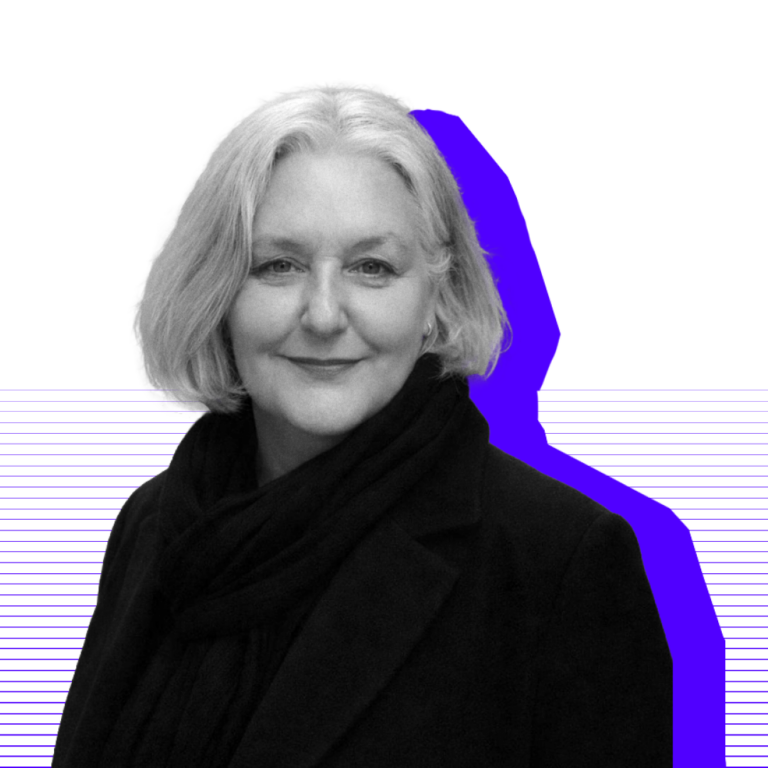
Erynn Petersen: Fixing Healthtech, One Bill at a Time
Can AI help heal our broken healthcare system? On this week’s podcast, Paul and Rich are joined in the studio by Erynn Petersen, a longtime technologist and the current CEO of Emme, a healthtech startup that works to lower medical costs for both providers and patients. First, she lays out some of the systemic problems that saddle Americans with huge bills (or lead them to avoid seeking care entirely). Then, she discusses how AI tools might revolutionize the industry—as well as the ways the technology could make an unequal system even worse.


Show Notes
- That’s Emme, and you can find Erynn on LinkedIn.
- Erynn was one of the expert guests for our recent healthtech event!
- Paul and Rich discussed AI and healthcare once before on the podcast, and Paul wrote about it in the newsletter.
Transcript
Paul Ford: Hi, I’m Paul Ford.
Rich Ziade: And I’m Rich Ziade.
Paul: And this is The Aboard podcast, the podcast about how AI is changing the world of software, and goodness, Richard. Remember we talked about healthcare?
Rich: We did, we did. We talked about pajama time.
Paul: Pajama time. And remember how, like, if you go online, you can see the healthcare event we did with the very brilliant doctors and the very—
Rich: It was really good.
Paul: And the very brilliant person from the world of AI-automated health insurance processing.
Rich: I think it’s only on YouTube. It’s not one of our podcast episodes.
Paul: No, you’re right. It’s on YouTube.
Rich: It’s on YouTube.
Paul: So go check that out. Check out our YouTube channel. Like and subscribe. You know, all that.
Rich: Do the things.
Paul: I’m talking to you, but there’s someone else here. Erynn Peterson. Hello and welcome.
Rich: Welcome, Erynn.
Erynn Petersen: Hi guys. How are you?
Paul: So let’s, we’re going to talk to you in a minute. Let’s play our theme song and then let’s talk about how AI and healthcare are all blurring.
[intro music]
Paul: Okay. So Erynn, you and I and Rich, we’ve all worked together in different capacities many times over the years and we stay in contact. You’re kind of a mentor to me. Just want to get that out there.
Erynn: Thank you so much.
Paul: Yeah.
Erynn: I’m surprised every time I hear that, I think the same.
Paul: It’s very, it’s very real. And so we’ve all had many incarnations and you have your most recent incarnation because I’ll just, I’m going to read, people can go check out your LinkedIn.
Erynn: Okay.
Paul: But I’m going to, I’m going to give a few, like, we have Amazon, we have Microsoft, we have the United States Department of Defense, particularly the Air Force and innovation-focused.
Erynn: Good times. [laughter]
Paul: We had a couple, we had consulting projects that we worked on for like Condé Nast. Are there any other big ones I’m missing in there?
Erynn: Time Inc. AOL.
Paul: That’s right.
Erynn: That whole Amazon to Microsoft, AOL ordering is a little unusual.
Paul: So really big platform projects across very large organizations. And now you have a startup in healthcare.
Erynn: In healthcare.
Paul: In healthcare. And it’s called Emme, E-M-M-E dot Com. It’s a good four-letter URL.
Erynn: Love it.
Paul: Yeah, it’s good. And you are the CEO.
Erynn: Yes.
Paul: Okay. What is Emme?
Erynn: Emme is a service, it’s a member service. You sign up for the member service and we lower your health care from day one.
Paul: Okay, so I have health care? I don’t have health care? Like, what’s the scene?
Erynn: We help you out if you have health care, and we help you out if you don’t have health care. If you have health care, we make sure you’re paying the least amount possible for your insurance and still get your doctor, still get your prescriptions. You don’t have to change your healthcare. We make sure you’re saving money on every service when you have to go to the doctor, get an MRI, et cetera. And if you get a weird bill or a huge bill, we have a bill negotiation service. And if you don’t have insurance, we help you figure out how to get health care in the first place. And healthcare that you can afford, healthcare that’s not gonna bankrupt you.
Paul: So that’s great. So you fixed it.
Erynn: Well, you know.
Paul: Thank you.
Erynn: It’s a long journey. First steps, first steps.
Rich: [laughing] Thank you.
Erynn: Department of Defense to healthcare.
Paul: You fixed American healthcare. That’s really cool. That’s great. That’s good. Give American healthcare a letter grade, like, from F to A. Where would you put it?
Erynn: A solid C.
Paul: Solid C?
Erynn: So I would give practitioners in the United States a solid B+ to an A. I mean, these are people who show up every day, take care of people.
Paul: Meaning doctors—
Erynn: Nurses, doctors, RNs.
Rich: I want you to grade employers in a minute, but let’s—
Erynn: Spicy.
Rich: Yeah. [laughing] We’ll hold on to that one. That’s the headliner. Insurance?
Erynn: A D.
Rich: Okay.
Erynn: A D. I think everybody’s doing their best.
Rich: Yeah.
Erynn: It’s really easy to vilify insurance companies.
Paul: It is. Sometimes people kill them. [laughter]
Rich: That’s one approach.
Paul: It’s not just, like, vilify.
Rich: Yeah.
Erynn: I think it’s safe to say insurance provokes really passionate feelings.
Paul: You think it’s the most hated industry?
Erynn: 100%.
Paul: Yeah. I think even AI isn’t like coming in anywhere close. [laughter]
Erynn: Because people, you know, believe AI might go away. They’re really afraid insurance will not.
Rich: A lot of the drama, because it’s so tied up in the anxiety and emotions around an event or an illness that has you on the phone for four hours. Obviously, the fees, they don’t talk about, we don’t talk about as much because it’s kind of de facto, the employer is going to cover either all or most of it. If you’re at a job, part of your offer is often health insurance. That’s kind of the system we have today. Which has its own, we can zoom in on that. But I think that a lot of the, like, strong feelings come from those awful moments. I’ve been in that situation where we had to make insane phone calls in, like, a very stressful time with a family member who was ill. On top of everything else, it felt insane. Talk a little bit about the D. Break down the D. Right? The D grade.
Erynn: I think the D grade comes from exactly what you’re talking about. You know, you take people at their most stressed.
Rich: Yeah.
Erynn: You take people at their most worried. And then you layer over this paperwork concern. It’s just a paperwork problem.
Rich: Yeah.
Erynn: And, you know, we’re in 2026 now. We’re firmly in the age of AI. We’ve moved to the cloud. So many things become simplified. There’s absolutely no reason that the overhead associated with processing, for example, you know, running your kid into primary care for strep throat—
Rich: Yeah.
Erynn: —is as complicated and ornery and time consuming as it is.
Rich: Yeah. It’s interesting. You know, my kid, I have two kids, and both go to Tribeca Pediatrics, which is a network, it’s its own storefront pediatric network, I guess.
Paul: And if you don’t know it just for, like, if you’re having a kid in New York City, it’s one of—
Rich: It’s kind of everywhere.
Paul: And they have this book, and the book is literally like, we have it, too, and the book is literally like, “Aw, 102 degree fever? It’s fine!”
Rich: Yeah, it’s kind of very chill. Chill out about everything book.
Paul: Yeah, it is. It’s just like, “Oh, that baby is going to just, cook em. Just let em cook.”
Rich: But I think the key feature, one of the key features of Tribeca, is they’ve done a lot of work to very much streamline paperwork.
Erynn: Yeah, they’re a case study. They’ve done an incredible job.
Rich: Oh, you’re familiar with…?
Erynn: Yeah.
Rich: Yeah.
Erynn: They’ve done an amazing job.
Rich: And to not think about that, because you worry about your kid when there’s a weird rash or a weird issue or whatever, is a big deal. Like, I can’t speak to whether their doctors are more accomplished or more effective than others. I think they’re very good, but that’s not what they’re about. I think what they’re about is the experience around getting treatment or going for a visit. It’s kind of wild that that’s the feature. [laughing]
Erynn: Yeah. I think we’ll come back to the competence myth, actually, when we start to talk about AI. But I think that there’s something to be said for primary care being about caring for people, and what you really want when you run into your primary care doctor, when you run into your pediatrician, you just want somebody to tell you it’s going to be okay.
Rich: Yeah.
Erynn: You know, a lot of times when we’re talking about insurance, we forget that most people most of the time are healthy. They’re spending all this money, but most of the time, most people are healthy, and most of the time, only little things go wrong. People just need to be reassured.
Rich: Yeah.
Paul: What is this—because we’re talking about in a very broad way, about this, like, really messy industry that everybody hates. So give me some stats. You always have stats. Like, how many people are uninsured? Like, what are some numbers to help us understand where things are at with health insurance in America?
Erynn: That’s a great question. I think most people right now have insurance through their employers, through the marketplace, through Medicaid, Medicare. Most people right now have some form of insurance. What’s really changed since January 1st is the cost of that insurance for most people. So with the subsidies going away, if you’re on a private marketplace, if you’re paying for your own insurance, you’re really feeling the cost of your insurance at this point.
Paul: If you’re paying for it, and not your employer.
Erynn: If you’re paying for it, and not your employer, it’s roughly a third of Americans, give or take. So this is a large—
Rich: It’s gone up, percentage range…?
Erynn: Oh, it’s gone up for, you know, one of my kids went from $37 to $280.
Rich: Wow.
Erynn: If you’re making $35,000 a year.
Rich: It’s like 4x.
Erynn: Yeah, that’s a lot of money. This is not an unusual leap that people saw after January 1st.
Rich: Yeah.
Paul: Okay. So about a third of America just is now going like, “Whoa, I don’t know if I can afford this.”
Erynn: Oh, absolutely.
Paul: Okay.
Erynn: Absolutely.
Paul: Where do you think we’re headed? Are people going to start dropping off the rolls again? What’s the….?
Erynn: Yeah, we’re already seeing that.
Paul: Okay.
Erynn: So people are quitting their insurance. People are saying, “I can either have insurance or I can eat or I can pay rent.” I mean, it’s really, the numbers have gotten to be this severe.
Paul: So we’re going back to the world of everybody going to the emergency room if something goes really wrong, but otherwise just being sick.
Erynn: We have. But there’s one important thing that has changed since that was the case. If you try to go to the doctor now, most doctors, if you try and walk into a hospital, the very first thing they say is, “Do you have insurance?”
Paul: Right.
Erynn: And if you don’t have insurance, often you get, even if you’re not directly turned away, you’re discouraged from care. And so very few people right now who don’t have insurance have the social access or the education to understand, well, this is how I get care anyway.
Rich: Even emergency rooms?
Erynn: Even emergency rooms.
Rich: Right. So…
Paul: I mean, this is true—
Erynn: And that’s if you speak English, by the way.
Paul: Yeah. Every time I’ve been with the kids, it is definitely there’s a filter there now that wasn’t there before.
Rich: For sure, for sure.
Erynn: Yeah. And it’s not because the people at the front desk are bad people, and it’s not because the hospitals are bad people. It’s because these are front desk staffs under tremendous pressure. They’ve got paperwork, they’ve got forms. You’re walking in, you don’t fit their form, you don’t fit that process, it’s very hard for them to figure out what to do with you.
Rich: Let’s go beyond our adorable little AI podcast here and just, this is a conversation and a lament that’s been happening as far as, as long as I’ve been paying attention, 35 years. Before then, I was high, so I didn’t really know what was going on. But it really is, it feels like this impossible part of American society. It feels uniquely American. This feels intractable, frankly. And it just feels like, well, if you want to be the most powerful capitalist country in the world, this is part of the game. It feels like it can’t really get better.
Erynn: Right, right, right. And it does absolutely feel that way. You know, I’ve worked in technology now for around 30 years. Y’all have been in technology for around 30 years. Like, I distinctly remember when the guy next to me at Amazon started working on an e-reader, and I was convinced nobody, myself included, was ever going to read a book on a phone. I mean, this was before—
Paul: Spoiler alert! [laughter] Okay, so—
Rich: It wasn’t even a phone. It was like slow e-ink.
Erynn: [laughing] Tim Lieberman, man, he won that bet.
Paul: That became the Kindle.
Erynn: It became the Kindle.
Rich: Right.
Erynn: Right? And it completely transformed how we consume media. Blah, blah, blah, blah, blah. And, you know, that was less than 30 years ago. I mean, it could take 20 years to change this. It could take 30 years to change this. First of all, it is absolutely changeable. Second of all, the economics right now are so incredibly broken that it is absolutely going to change, and it might as well change for the better.
Paul: They’re broken because all the money goes to the insurance company. Like, what’s the broken part?
Erynn: The broken part is, you know, the average household right now for an employer costs over $30,000 a year as of 26.
Rich: To insure.
Erynn: To insure.
Rich: Yeah.
Erynn: Hospitals are losing money hand over—
Rich: Yeah.
Erynn: Hand over fist. Doctors are leaving the profession. We’ve lost almost 40% of our general practitioners since before COVID.
Rich: What are they doing?
Erynn: They’re going to private equity.
Rich: Supplements?
Erynn: They’re doing startups, same as all the rest of us.
Rich: Oh my God.
Erynn: Right?
Paul: This is totally real. When you, when I was a kid and you would go to the doctor, they just would talk about hobbies and golf and they just had good lives.
Erynn: Yeah. They had those pictures of their sailboats on the wall.
Paul: And by the time I got into my 20s, you’d talk to a doctor and they’d be like, “Yeah, it’s not really the best job,” and they’re just completely—
Rich: Well, they’re drowned in debt. And it sounds like there is a path out, is what you’re saying.
Erynn: I absolutely believe there’s a path out of this.
Rich: Yeah.
Erynn: And I think, ironically, it relies on technology. You know, I’m like, I’m not always a proto-technologist, but in this case, I absolutely think—
Rich: Walk us through that.
Erynn: The technology is pathway forward.
Rich: Yeah.
Erynn: I think there’s a couple of things that really have to be fixed in healthcare. One, if you’ve got a bill under $2,000, that’s roughly 80% of medical bills, there’s no need to put $1,500 or $2,000 worth of paperwork behind assessing whether that bill’s viable.
Rich: People and sign-offs and workflow.
Erynn: Yeah! Yeah, like, I’ll walk into an Airbnb, I’ll sign up for $8,000 in expenses in an Airbnb over the week. Nobody asked me if I had a bachelorette party or if I fed my in-laws. Right?
Rich: Yeah.
Erynn: Like, nobody cares what happens.
Rich: Yeah.
Erynn: Nobody needs the information about what happened in a doctor’s appointment. You just charge the doctor bill.
Rich: Bureaucracy.
Erynn: Bureaucracy. Just bureaucracy.
Rich: Yeah.
Erynn: The second is that—
Rich: You think that’s a big chunk of the cost?
Erynn: Oh, absolutely.
Rich: Yeah.
Erynn: Absolutely. We’re spending per-person a couple thousand dollars a year on overhead and administrative costs in the U.S. healthcare system.
Paul: Why is that bureaucracy there? Is it because they’re convinced that doctors will be ripping off the health insurers unless they get everything itemized? Or, like, what’s the…?
Erynn: I think it’s a frog in a pot. Right? I don’t think anybody woke up 30 years ago and said, “You know what’d be great? Let’s build an entire industry, 17% of American GDP, around medical paperwork.” Right? Like, that’s just not what happened. But we got here through a succession of steps, right? Like, Epic built this beautiful system to allow for—
Rich: Put that in quotes.
Paul: Yeah. [laughter] Let’s be clear. No one’s actually saying “beautiful,” Epic.
Rich: Yeah.
Paul: Just I don’t want, like, doctors to come—
Erynn: You gotta admire what they did.
Paul: Yeah, no, doctors love it.
Rich: Everybody’s happy.
Paul: I don’t want, like, Mount Sinai to launch missiles into our office.
Rich: Its sheer scale of success, though, is, you have to acknowledge.
Paul: Well, and where is it? It’s, like…
Rich: Minnesota?
Erynn: It’s in the upper Midwest.
Paul: Yeah, yeah.
Rich: Like, in a basement.
Paul: For people who don’t know—
Erynn: [laughing] I think it’s an underground bunker, but yeah.
Paul: When your doctor is screaming at a computer after they tap your patella.
Rich: It’s MyChart, by the way, for people listening.
Paul: Yeah.
Rich: It’s often seen as MyChart.
Paul: It’s Epic, and they just, Epic is the giant, it’s sort of the Salesforce for doctors.
Erynn: Yeah, exactly.
Paul: It’s the system of record for all these hospital systems.
Rich: I mean, I’m saying a basement. I think it literally started as a really small thing for a couple of hospitals and just exploded.
Erynn: Yeah, it did. To handle their billing. To handle their billing. To handle their billing for the insurance—
Rich: Was it billing?
Erynn: Exactly. It’s what it started out as.
Paul: Okay. So we have this enormous, very powerful database platform that everybody’s kind of opted into that itemizes everything that doctors have to type into all session long and all night long in their pajamas. So that leads to like, well, now we need to know everything in order to pay that bill.
Erynn: Right, exactly.
Paul: Okay.
Erynn: And it is so big that it is next to impossible to replace in a hospital system.
Paul: God, this is real.
Erynn: Right?
Paul: These systems create—
Erynn: They create their own gravity.
Paul: Yeah. And the bureaucracy is spun out of what the database can do rather than what the doctors want to do for the patients.
Rich: I mean, just to give everyone a little insight, it’s not just doctor notes. It is everything.
Erynn: It is everything.
Rich: It’s appointments. It is wired up to pharmacies. Like, all pharmacies—
Erynn: Your prescriptions, your pharmacies, your CVS.
Rich: Yeah, they’ve got their client, like, portal to get prescriptions. It’s wild.
Paul: You know what’s amazing, and I have to give them credit, they managed to do it without ever hiring a designer. It’s very, very impressive. [laughter]
Erynn: Or an architect.
Rich: There is this spinning animation.
Erynn: Or moving to the cloud.
Rich: It’s really something. Okay, so that’s a big, meaty first target.
Erynn: Big, meaty first target.
Rich: That cost, cost of just process and bureaucracy and all that.
Erynn: But I’d actually step back from there. Right? Because the second one is that doctors right now find it incredibly hard to find patients. And so doctors have to go through hospitals. It’s actually very difficult for a doctor to set up a practice and figure out how to acquire new customers.
Paul: How come?
Erynn: They are going to medical school. I just spent a whole weekend in Boston with a bunch of doctors trying to figure out, okay, you know, what would it take to start practices for people? Basically—
Paul: I was just in Boston with a bunch of librarians. [laughter] I think we could have, like, we could have had a party.
Erynn: We’re having good times out there.
Rich: Slow it down.
Paul: All right.
Erynn: But it’s, you know, people aren’t trained in medical school to go out and open their own independent practice. It’s very daunting. It’s regulatory-heavy, all the things. Right? So it’s very difficult to go ahead and start a practice—
Paul: Because just getting your own liability insurance is probably really hard.
Erynn: Exactly. Yeah, right there is like eight, nine thousand dollars a year. You have to find it, keep it up, licenses, all of that. You have to be able to keep up with every single insurance. You have to be accepted as part of an insurance network. You have to be doing that paperwork over and over and over again, at least annually, to be certified.
Rich: You need staff.
Erynn: You need a staff. You need a team. It’s very expensive, very fast.
Paul: So you actually would have to have like a real grumpy founder mentality to want to plow through all that, right?
Erynn: Yeah.
Paul: And most people don’t, on Earth.
Rich: They latch into networks, right? They latch into, like, I’m part of the Mount Sinai Group.
Erynn: Right.
Rich: And so I get referrals from other doctors.
Erynn: Neighborhood Health, et cetera.
Paul: Same reason why you want to get a job anywhere, right?
Rich: Yeah.
Erynn: Yeah. But if you can make it easy, you know, we just talked about that 40-some-odd percent of doctors who have left practice. If you can make it relatively straightforward for them to start taking patients again and then just charging for direct care. DPC is a huge movement. It ranges from concierge, where you’re spending $1,000 a month, all the way over to direct paying for your services. So Dr. Elizabeth Shields—
Paul: So direct pay care is DPC.
Erynn: Direct pay care is DPC.
Paul: Okay.
Erynn: Direct primary care.
Rich: Let me say this back to you because I might get it wrong. Doctors have to latch on to these bureaucracies and lean into their efficiencies of scale…
Erynn: To get paid.
Rich: To get paid. And because it’s too hard to stand up your own office and your own clinic or whatever, this goes back to the bureaucracy issue because on the, to get paid, you got to have people ready to do all that paperwork and make sure they’re chasing the insurance companies and all that. So it’s all weighed down.
Erynn: It’s turtles all the way down.
Rich: Such that it’s turned off the practitioners to even go out on their own.
Erynn: Exactly.
Rich: Is that…?
Erynn: Yeah, it’s just so daunting. It’s like, I’m going to go to a PE firm. I’m going to work on some med tech startup.
Rich: Right. Got it.
Paul: Okay. So technology can fix it.
Rich: Well, first off, any other reasons for what we are, why we are where we are?
Erynn: Those are the big ones.
Rich: Those are the big ones.
Erynn: Those are the big ones.
Rich: Nobody knows that.
Paul: So this is, like, a—
Rich: That’s, like, step one is.
Paul: So this is, like, a $17-trillion industry, and you’re thinking, like, a couple trillion is like right there in those $2,000 or less procedures.
Erynn: Yeah.
Paul: And the fact that doctors have to be locked into hospital systems. So you think a huge amount of, if you could just work through those, you could probably get some margin back into this thing and everybody could have a good time again.
Erynn: Oh, 100%.
Paul: Okay.
Erynn: So if you can, because there’s one other complication to be aware of. So if you’re a hospital and you know, Paul comes in for his MRI.
Paul: Mmm hmm.
Erynn: And Paul slaps down the insurance card. Goes back and forth between Paul, the insurance company, the hospital, et cetera, et cetera. for about six months before the insurance company says the hospital, “Fine, this is what we’ll pay you.” So hospitals are getting paid six months or so after the service is rendered.
Rich: Is it six months?
Erynn: It’s 90 days to six months. You’re lucky if it’s 90 days. It’s actually generally closer to about 183 days before you’re getting paid. So there’s also cash flow challenges that small practices are just not designed to handle. Right? So if you can shift to a world where all the medical services that are reasonable to pay out of pocket, we’re gonna get back to that again in a second, under $2,000. And you get the bill—
Rich: Make it easy.
Erynn: Make it easy. Just get the bill when you walk in the door. You either pay it right then or you sign up for a payment plan. The hospital gets paid right then. Or the doctor gets paid right then. Or—
Rich: Lower the barrier to payment, too.
Erynn: Exactly.
Paul: Pause for one sec. Right? Like, so you’re talking about… What would it cost if you, let’s say a doctor is, like, “You seem to know a lot. I want to start my own private practice today. How much would you say you need to budget?” Like, it sounds like at least like a half million, or it’s pretty serious.
Erynn: I know somebody, Dr. Elizabeth Shields. She’s incredible. She just started her own practice.
Paul: God, that’s a good name.
Erynn: Isn’t it a great name? She’s also a great doctor.
Paul: Okay.
Erynn: And she’s trying to grow out—
Rich: This podcast is sponsored by…
Paul and Erynn: Dr. Elizabeth Shields.
Paul: You don’t even need the “Elizabeth,” just Dr. Shields. [laughter] Oh, what’s, I want whatever she’s selling.
Erynn: She’s incredible. She just left the Navy. She just set up her own practice.
Paul: Ex-Navy Dr. Shields! [laughter] Holy cats.
Erynn: She just gets better.
Paul: Right?
Erynn: There we go. It gets even better.
Rich: She also sells antivirus software, by the way. [laughter]
Erynn: So she’s, like, “All right, how do I set up a practice? What’s the most cost-efficient way?” She has kids, et cetera.
Paul: Yeah.
Erynn: So she set up an at-home doctor service. You call her like an old-fashioned doctor, and she shows up at your house, she gives you care, you pay the $300 for the appointment, you both go away happy. She’s a phenomenal doctor.
Paul: Where is this?
Erynn: She’s in Rhode Island.
Paul: Okay. She can cover a whole state, that’s pretty cool. [laughter] On a bicycle.
Rich: Does she have an office?
Erynn: On a ferry.
Rich: Does she have an office?
Erynn: No, she has a car.
Rich: Okay, that’s huge.
Erynn: It’s huge.
Rich: Because you don’t have to fit an office and have all that. So she’s mobile and moving around.
Erynn: She’s mobile, she’s moving around. She’s seeing people in the house, which is great if, you know, you don’t want to take your sick kid. It’s three degrees there today. It’s how it used to be.
Paul: Yeah, I know, but it’s awkward because then you have to clean because the doctor’s coming over. [laughter]
Erynn: I actually had the same thought.
Rich: That’s what you’re gonna say afterwards.
Erynn: Your wife would be very happy to hear you say that.
Paul: Yeah, exactly. All right, keep going. So…
Erynn: She can really bring down the cost of overhead, but it takes a different kind of mindset as a physician to say, “You know what? I’m gonna put my hand up to the system. I’m gonna open my own practice. I’m gonna figure out how to right size opening this practice, take the risk and get it up.”
Rich: There’s nothing stopping—there’s no, like, regulatory reasons you can’t just go to someone’s house and treat them. There’s nothing stopping anyone from doing it.
Paul: Doctors can doctor anywhere.
Erynn: Doctors can doctor anywhere.
Rich: It’s DoorDash for doctors.
Paul: Yeah.
Rich: DoorDoc.
Paul: DoorDoc.
Rich: DoorDoc is what we need. So you’re kind of giving the insurer, the insurers are a little off the hook here, because there’s something endemic in the way the system works that has less to do with—everyone thinks insurance companies are hoarding money, right? Which maybe they are. Maybe that’s another issue. Right?
Paul: I mean, they’re hoarding a little. Let’s be, come on now, yeah.
Rich: But the picture you’ve painted here is one where the bureaucracy is so, it’s so, like, getting crushed by its own weight that the costs have gone up, not for treatment, not because medicine is hard to produce. It’s because of paperwork and process.
Paul: I hear something different, though. What I hear is the insurers are holding onto things for 183 days and are able to financialize everything that they’ve got. So they’re able, they’re basically giant—
Rich: Separate issue.
Paul: These are giant banks. And it’s really in their best interest to add as much friction into the system so they can hold onto that money for as long as they want to. And so they just, essentially, it’s like—
Rich: And the doctors are the one—
Erynn: Holding the bag.
Rich: Holding the bag.
Erynn: Doctors are the ones holding the bag.
Rich: They’re the ones that are in the bind. What can technology do? I mean, I don’t even know if we need to get—we can talk about AI. We should talk about AI, because it’s an AI podcast. But put aside AI. I gotta imagine a lot of this has to do with just ripping roots out of the soil and changing how we work.
Erynn: Yes. And every great technology change is an opportunity to reexamine large, gnarly problems and see if this is an opportunity to finally disrupt what’s going on and really fix it.
Rich: Mmm.
Erynn: So we’ve all seen very large industries that are failing under the weight of their bad technology choices, or technology choices that made sense 20 years down the road, but are now an encumbrance. Right?
Rich: Outdated.
Erynn: They’re outdated. So you have all this cruft, all this process that piles up around it, blah, blah, blah.
Paul: I mean, try to access your checking account, right?
Erynn: Great example, great example. And if you think about technology, the last big technology change that drove a lot of efficiency across major industries was a shift to the cloud. Not just because people move their data to the cloud from their own servers, but because when they did that, CTOs use that as an opportunity to shift to services-oriented architecture and people using Git and Slack to communicate instead of email.
Paul: Let’s actually be explicit about the process, which is you fired the old CTO and then hired a new one who would re-platform and bring you into this whole new world. Right?
Erynn: Yeah.
Paul: It was a big transition everywhere. Now, some CTOs did make the jump, but that’s what I’m saying.
Erynn: You went from a CIO to a CTO in those cases.
Paul: Yeah. And it was understood, like, the CEO made this decision because they’re like, “We gotta get there. That’s what the, this is what the investors want. This is where we have to go.”
Erynn: Yes.
Paul: Okay, so that’s, you think we’re at another inflection point like that?
Erynn: I do. And there was a corresponding change that happened, if you guys remember, the role of the CFO suddenly shifted. Because you went from, for example, running a giant media company and not knowing how much it costs to produce anything to suddenly your CFO can see a report that shows you in Jira tickets what your CapEx versus OpEx is of building things, maintaining them, et cetera. So there was this rationalization and costs that came into a lot of industries. This—
Paul: People may not know this, right? Like, if you’re in a publicly traded tech company, like, your GitHub commits become part of the thing that gets analyzed by Pricewaterhouse.
Erynn: Such a great example.
Paul: Yeah.
Erynn: Yeah. And if your career started after the cloud, you don’t even realize that happened before. So this entire transformation—
Paul: God, we used to have fun in this country. [laughter] Nobody was paying attention to anything. Just hack some Perl. Anyways.
Rich: Is it worth noting, I mean, before we get to this—
Erynn: Rich is looking stressed.
Rich: No, no. We’re about to talk about the next—this is a transformational opportunity today.
Erynn: Yeah.
Rich: I agree with that.
Erynn: That’s where I’m going, like, with healthcare, that whole shift to the cloud skipped healthcare.
Rich: I was just about to say—
Erynn: Because everybody was on Epic, right?
Rich: Yeah.
Erynn: Epic was working fine. I mean, if anything—
Rich: No one bothered.
Erynn: Nobody bothered. Like, you had the segregated data because, like, it didn’t—
Rich: Yeah.
Erynn: Nothing changed about the architecture—
Paul: It’s very—
Erynn: That was the challenge about the economics of it.
Paul: It’s really confusing, because we did this event, right? You were there, I was moderating. And the doctors just love tech. They’re like, “Let’s go. Ready.” But then the industry is like, “You can never do anything because of HIPAA. We actually can’t even use computers. We just have to go back to index cards. Nothing can ever change, ever.”
Erynn: But we’ve seen this before, right? Literally, the three of us have seen this happen. We have sat in rooms with CTOs who have said, “No, thou must use Teams. You will never use Slack.” And what happened? Everybody adopted Slack anyway.
Paul: Then Microsoft made Teams free, and now everybody complains about Teams every time.
Erynn: What was the thing before Teams?
Paul: Oh…
Erynn: It was worse.
Paul: It was worse.
Erynn: That’s the one—
Rich: At Microsoft?
Erynn: Yes. They acquired it. Anyhow, we’ll get back to it.
Rich: Oh, the social—Yammer?
Erynn: Yammer! Thank you.
Rich: Yammer.
Erynn: Yammer. Yeah, it was. Then Sack came along and people started—that’s basically what’s happening with doctors.
Rich: But Slack, Slack took hold because it was…CTOs woke up one day and there was, like, viral growth of a, of a chat tool inside of their companies.
Erynn: Yeah.
Rich: This is a lot harder to pull off. Right? I mean they, they missed the boat last time. Why won’t they miss the boat this time?
Erynn: I don’t think it’s, I don’t think it, I think it is as easy this time. So what’s happening this time is what happened with Slack was people brought this consumer-grade enterprise product into their enterprise environments, completely changed who was talking to whom, what work was being done, how work was being organized.
Rich: They didn’t ask for permission.
Erynn: Nobody asked for permission.
Rich: Yeah.
Erynn: And what you have right now is physicians getting these really easy-to-use AI tools, slipping them in on their phones, slipping them in on their pockets, their own transcribe tools, their own, you know, their own testing tools, they’re writing their own tools, they’re going home and writing tools themselves just as readily as anybody in any other industry.
Rich: Mmm hmm.
Erynn: And I think we’re likely to see the same sort of dynamic occur as occurred with Slack and the shift to the cloud. As soon as it got really expensive for people to keep putting that Slack account on their own corporate credit cards, you had to go to the CFO to get permission. And the CFO is like, “I’m going to work with the CISO and I’m going to bring this under control.” And I think we’ll see the same thing happen with hospitals and with doctor’s practices.
Paul: Could you ever replace Epic, though? Do you think it’s possible?
Erynn: Yeah.
Paul: Okay.
Erynn: I do.
Rich: I’m going to make a counter argument and let’s get into a heated debate.
Erynn: I was hoping we were going to go pro-Oracle and go all pro-Cerner there for a minute. [laughter]
Rich: Pro-Oracle, just pulling out the big guns
Paul: I can’t even process that.
Rich: I think what’s interesting about Slack’s ability to take hold inside of organizations is that it did not replace well-entrenched workflow. It, in fact, augmented it. Success of Slack could end in a department. It didn’t have to take over the whole org. It had this ability, there was no hub, it was all node-based. Right? Like, so you could have 18 people who got into it and then they invited others and it would sort of slowly seep out.
Epic and a hospital’s workflow around paperwork out to insurers, communication out to patients, doctors having requirements that they have to work through, that is through a particular communication platform and workflow platform that has to be blessed top-down. The tools doctors are using today are personal productivity tools. A doctor cannot walk into an admin office at a hospital and say, “Listen, I’m done with the old way. I’m gonna send them to you this way.” It doesn’t work. You have to go in to that shit system that’s on wheels. They’re always on wheels, those computers. And you have to use that system. How do we break that? Because I think it’s a much more challenging thing to break.
Erynn: So, you know, we’ve all talked about pajama time, right? Doctors having to go home at the end of the day, do all this paperwork catch up.
Rich: Yeah.
Erynn: That’s an excellent place for doctors to begin to insert their own tooling or their own bespoke tooling.
Rich: Yeah.
Erynn: You know, build your own, you know, voice-activated transcription system, go home, even if you’re cutting and pasting it into the hospital tools, there’s no safeguards against that. Right? You’re still saving time.
Rich: They’re hacking.
Erynn: Yeah, they’re hacking. Like, everybody’s just hacking right now.
Rich: Yeah.
Erynn: They’re hacking because the tool situation is so poor.
Paul: I keep thinking of those, those systems are almost like, they’re not sacred in the same way that you would expect. Like, they’re like, “Yeah, screw it, I’ll cut and paste. I’m good. I’m going to take it out of my phone, I’m going to put it in here.” So, okay, they’re pushing around the edges.
Rich: Professionally for me, you know, I always went after the people—not went after. That sounds like a stalker. [laughter] I always went after decision maker…
Erynn: I love consultants.
Rich: Exactly. [laughing] …who had decision making power that could influence an org because it’s easier to sell to a major stakeholder, because the truth is when you join a hospital system, you’re trained on systems, and someone bought those systems, and that’s probably still going to be the case for a while. Like, the idea of a wild west, especially in health care, is a ways off.
I’m a CTO type in a big hospital system. I make big purchase decisions and I have enormous influence on the tools they use to run the whole system. I’m scared of getting fired. I don’t want to get it wrong. This is people’s lives at stake. Healthcare data is obviously extremely sensitive, but I get it. There’s a thick layer of bureaucracy that is killing us. Give me some advice.
Erynn: So the person who is in the best position right now to tackle that is the CFO. Because the CFO at every major, frankly, every minor hospital right now is looking at their numbers.
Rich: Mmm hmm.
Erynn: Looking at the numbers, cross crumble for the next 18, 12, 24 months.
Rich: Right. Those cost-line items.
Erynn: Yeah, you see the federal funding drying up, it’s getting unpredictable, et cetera.
Rich: Yeah.
Erynn: And you’re looking over here in the other world, you’re seeing this sweet, sweet concierge medicine dollar flowing over here. [laughter] You’re like, “Huh, wow, maybe I’ll go run a concierge practice.”
Rich: That’s delicious.
Erynn: That looks tasty. But you really care about your community. You love your patients. You care about your patients deeply. And you’re trying to figure out, is there a way that we can carve off some set of our services or some set of our practitioners or one of our locations, or two of our locations, and make that a walk-in cash-pay situation and begin to test there what it takes and what it means to offer, for example, cash-pay urgent care. Can we put together a clinic that offers it at rates that are affordable to the local population, that people can pay on day one? How does that affect my cash flows to have that money coming in day one with no overhead so that I don’t have to chase it down?
Rich: Yeah.
Erynn: So it’s really interesting because I think the person in this case who has the most to win in this technology change are the CFOs.
Paul: What’s the first step for them?
Erynn: First step for them is to find a partner. Emme, I think we’re a great partner for this.
Rich: Go outside?
Erynn: Yeah, go outside.
Rich: Yeah.
Paul: Okay, so—
Erynn: Oh, absolutely. This is something we all know about doing innovation at scale. Right? Go outside.
Paul: I’m not going to ask my hospital system to create a virtual startup. I think that’s a bad idea.
Erynn: No. It’s so stressful for people.
Paul: All right, so I call Emme and I’m like, “Hey, Erynn, you seem smart. I’m the CFO of Providence Hospital, something…” You know, some, I just named a city. What’s another city in Rhode Island?
Erynn: What’s the hospital—
Rich: Newport?
Paul: Yeah, Newport. I’m in Newport Orphan Hospital from 1835. [laughter] And I gotta do something here. I’m in a pickle because I can’t do it with Aetna anymore. It’s breaking my heart. So what do I do here? What do you got for me? I don’t, like, help me understand your product.
Erynn: Yeah, so let’s go with Nebraska General. So you’re out at Nebraska General. You’re like, “Hey, you know what? I’m losing money hand over fist. I have to figure out how to offer product out to my community.” And I say, “Hey, you know what? Your community worried about coming to the doctor because they’re afraid their insurance is going to send them a surprise bill. They don’t know how much it’s going to cost. Most of your bills are coming in well under $1,500, which, by the way, is well under the deductible for most people’s insurance plans. Let’s go ahead and let’s set up a clinic, a cash-pay clinic so that people can walk in and get their MRIs, they can get their stitches, they can get basic, predictable primary care services and basic, predictable emergency room services. Very reasonable rates. $350 to get stitches. Very reasonable. And I’ll make sure that you’re paid the day that patients walk through the door. And if their care has to escalate beyond that appointment, I’ll help you have a clean handoff into their insurance company.”
Paul: And this is worth it to people because they, I mean, like, just help me understand where the value is for the person who’s walking in and out the door, because they’re used to, I’m used to just slapping that card down at all, at all, like when, how do you train people that, no, you may just actually want to pony up?
Erynn: So there’s a large number of Americans right now, you know, 43% of Americans are avoiding going to the doctor right now because they don’t know how much it will cost. Simply having a price sheet up front where you say this is exactly how much it’s going to cost—
Rich: Demystifies it.
Erynn: Yup. Demystifies it. Here’s how much it will cost. Pay up front. You’re not going to get a surprise bill. That in and of itself removes a tremendous amount of friction for most American households.
Paul: Right. Because I spend lots of money and I get the good insurance. So it’s really easy for me to walk into the doctor. Whereas they—
Rich: You currently?
Paul: Yeah.
Rich: Yeah.
Paul: But they don’t.
Rich: Yeah.
Paul: They have, they know it’s going to cost something and they just, it’s confusing. So it’s like, I just hope I, I’ll just weather it. Hopefully it’s just a sprain kind of thing.
Rich: These are good sound ideas. I’m so suspicious of the imagination required to—like, these aren’t, like, tweaks. These are like—
Erynn: These are bets.
Rich: These are sort of revisiting a business model in a lot, to a large extent. I wonder if this is more CEO, like, who’s got, who’s gonna, who’s taking it? We need a, we need some case studies, we need some stories.
Paul: Well I think, pause for a sec. Just explain your product to the world so that, because, so we can understand the framework a little bit.
Erynn: Sure. So there’s a patient side and a practitioner side. On the patient side, you set up a membership with us, and as part of your membership, the very first thing you do is you get a face-to-face onboarding and we figure out, are you on the right health insurance plan?
Rich: A human does that?
Erynn: Human does that. We’ve discovered that most people are overpaying on their insurance plan by about $1,000 a year. So we’re first figuring out are you on the right insurance plan? Does it cover your doctors? Does it cover your prescriptions? Are you gonna get any weird out of network costs? So we get you the right insurance plan—
Rich: It always surprises me, people, the out-of-network stuff.
Erynn: Not our people. Right?
Rich: Yeah.
Erynn: Like, it’s something that we look really hard at.
Rich: Yeah.
Erynn: And this isn’t visible to you by the way, when you’re just buying off the marketplace. You can’t see this. But we’ve built out the tooling to be able to. So that’s the first thing we do.
Paul: So you have humans who have access to data and tools that can help people understand their health insurance.
Erynn: Yes. And pick the best one. Not always cheapest, but best.
Paul: Okay. They’re giving you a credit card like to do this? Like, how’s that work?
Erynn: No, they’re giving us their statement of benefits. We’re taking their statement of benefits and we’re shopping for the best possible plan. We’ve had one person so far who was on the best possible plan out of 40-something. And they were just relieved to know they’re on the best plan. Right? So they’re on the best plan. So once you’re on the best plan, then when you need services, you come back to us and we say, “Okay, here’s the best value for you for an MRI, or the best value for you for an X ray for your thumb or your annual shots.” And then if you do have any weird or surprise bills, we have a bill negotiation service. We use AI on the bills up to $400. And after that we have a partner, Wheelhouse Health, and we send you over to them.
Paul: Okay, so I subscribe to you, like, as a service ongoing or I pay you once or how…?
Erynn: Pay us once. It’s a $25 a year membership. And if you don’t save at least a hundred dollars, we refund your $25 back to you.
Rich: That’s a no-brainer.
Erynn: A no-brainer.
Paul: Sounds pretty solid. Okay, and now on the practitioner side?
Erynn: On the practitioner side, if you’re interested in working with us, Dr. Elizabeth Shields, for example, works with us.
Rich: She’s back.
Erynn: She’s back.
Paul: Yeah.
Erynn: So when we have somebody in her area, we say, “Hey, by the way, for your medical care, here’s an option for you. You can call Dr. Shields. It’s a predictable price. She’ll come to your house. The care is amazing.”
Paul: Clean your kitchen, though.
Erynn: [laughing] She’s very non-judgmental. She’s incredibly kind.
Rich: She’ll look away.
Erynn: She’ll look away. She’s got children.
Paul: Just that she’s chill Navy doctor. [laughter] They are very, very non-judgmental.
Erynn: You really have to have an appointment with this—she’s incredible. But we have partnerships. We’re starting to set up partnership. So we’re like, “Hey, here’s where it goes.” And then over the long term, when we’re able to show physicians, we’re able to show hospitals and medical services that look, you get paid faster at better negotiated rates with us than you’re getting with insurance companies, and with no paperwork…
Rich: You’re sort of an intermediary.
Erynn: Yeah, we’re like a Costco for medicine at that point.
Rich: Yeah, yeah. Nice, nice.
Paul: All right. So…
Rich: Big, huge, sprawling problem. The fact that you’re pecking away at it is… I’m guessing, as you look ahead for Emme, the road map is beyond just this, right? And trying to make a bigger impact in this challenge.
Erynn: Yeah. Our goal is to save people millions of dollars one person at a time.
Rich: Sure.
Erynn: First we save it on insurance, then we save it on medical care.
Rich: Yup. Chip away.
Erynn: Yeah. We give practitioners a really good negotiated rate, we can move forward.
Paul: Okay, let me end this on a really positive note. How can this get worse?
Rich: Oh, lord.
Erynn: This gets worse. If we decide that an AI primary care doctor is good enough for poor people.
Paul: Oh, if Dr. Claude is like, “Sounds like you broke your leg!”
Erynn: Well, no, you can get even worse. More dark than that. Right? If you’re paying a low premium or you’re an augmented—
Rich: Send you off to a chabot.
Erynn: Yeah. Send you off to a chatbot. Like, “Hey, you know what? You’re not, you’re not really a, you’re not really a person-doctor person. You’re a chatbot-doctor person.”
Rich: Yeah, right, right.
Paul: That’s going to happen. [laughter] You know, they want that so bad.
Erynn: So bad.
Paul: They want that—they are thinking that’s what AI is for, aren’t they?
Rich: Yeah.
Erynn: Yeah, yeah, yeah. And this goes back to that conversation that we’re having before about—
Paul: When I say “they,” I mean the shadowy forces that run the world. [laughter] Like, no, I think, like, people—
Erynn: The ones building camps in Arizona, like summer camps with bad paperwork?
Paul: I think people really, when they look at this stuff, they always see technology as this hammer to just hit the thing that they know the best. And so they’re just like, “Oh, well, doctors.” Right? And so we’ll replace the doctor. Whereas if you talk to doctors, they’re like, “Let me see five times as many patients. Just don’t make me fill out 50 forms every time I talk to someone.”
Erynn: Yeah, exactly.
Rich: Again, empowering the people.
Erynn: I think there’s actually another key, too. Remember at the beginning when we were talking about competence, I said, we’re going to get back to competence when we get back to talking about AI? There’s this myth amongst technologists and also, frankly, among a lot of medical people, that there is one answer for any person that comes into the office, any person—and so the race is to get to the right answer for a person.
Paul: This is House, right?
Erynn: Yeah, it’s House.
Paul: Yeah.
Erynn: But when people interact with the medical system, they want to feel cared for. You know, I’ve been in a room with somebody who is in rough straits, six highly competent physicians with six completely different opinions as to what should happen next. And the voice that mattered most was that person’s primary care doctor.
Rich: Sure.
Erynn: Because they knew them. Right? They know the picture. So it’s not about getting the right answer. That’s the problem with AI.
Paul: AI would be the seventh opinion.
Erynn: Yeah.
Paul: Yeah.
Erynn: Yeah.
Paul: Okay.
Erynn: Yeah.
Paul: All right, so look.
Rich: It’s sprawling.
Erynn: Sprawling.
Paul: It’s a little bigger than the typical subject. I think we’re gonna have to talk again next time you’re around. Maybe when we do, we’re going to do another healthcare event. We’ll announce it soon.
Erynn: Yeah, I’d love that.
Paul: You’re going to be part of it, so maybe we’ll have you back to talk about more things that are great about American healthcare. [laughter] Erynn, if people want to get in touch with you and they can look on—your name is not spelled exactly the way they expect. So just be aware of that. If you do want to get in touch, what do they do? Is it LinkedIn? Is it email?
Erynn: LinkedIn’s the easiest way these days.
Paul: Okay, so hit you at—Link-In with you.
Erynn: Exactly.
Paul: And then emme.com, E-M-M-E.
Erynn: Yep.
Paul: Dot com. And if you want to. If you want to save a bundle on your health insurance… [laughter]
Erynn: Tell them you don’t need a gecko.
Paul: Yeah, exactly. I don’t know what the health insurance lizard would be or what its accent would be.
Erynn: Transylvanian.
Paul: Thank you for coming on. If you want to replace Epic, you should get in touch with Aboard. [laughter]
Rich: Yes!
Paul: Come on, Rich.
Rich: We love building hospital systems.
Paul: We really do. We’re working with healthcare. I would love to replace—honestly, if you told me, “Hey.”
Rich: Take 6 months, 12 months
Paul: Just a couple weeks, really, is all you need.
Rich: Yeah.
Paul: If you told me that I was going to go live in a world where we were rebuilding health systems from first principles and that MyChart could be something that seemed to actually care about the—when they say MyChart, they just mean theirs. They don’t mean yours. [laughter] It’s not YourChart.
Rich: Not YourChart.
Paul: Yeah. Anyway, so Aboard is a system for rapidly assembling and building really complex software. We have very good solution engineers who partner with you. We use AI tools, we ship your stuff. It’s sort of, like, an agency at, kind of powered by jet fuel.
Rich: Yep.
Paul: But a platform as well. And we’re going to show more and more of that as we go on. Rich, how do people get in touch?
Rich: Hello@aboard.com. Check out aboard.com. We love to talk. If you have podcast ideas, subscribe to the newsletter. And also, we’d love to build stuff for you.
Paul: That’s right. And LinkedIn is good, too. All right, Erynn, thank you so much for coming.
Rich: Thank you, Erynn.
Erynn: Yeah, thanks, guys.
Rich: This was great.
Paul: Okay, we’ll see you.
Rich: Thank you.
Paul: Bye.
[outro music]