Print is alive!
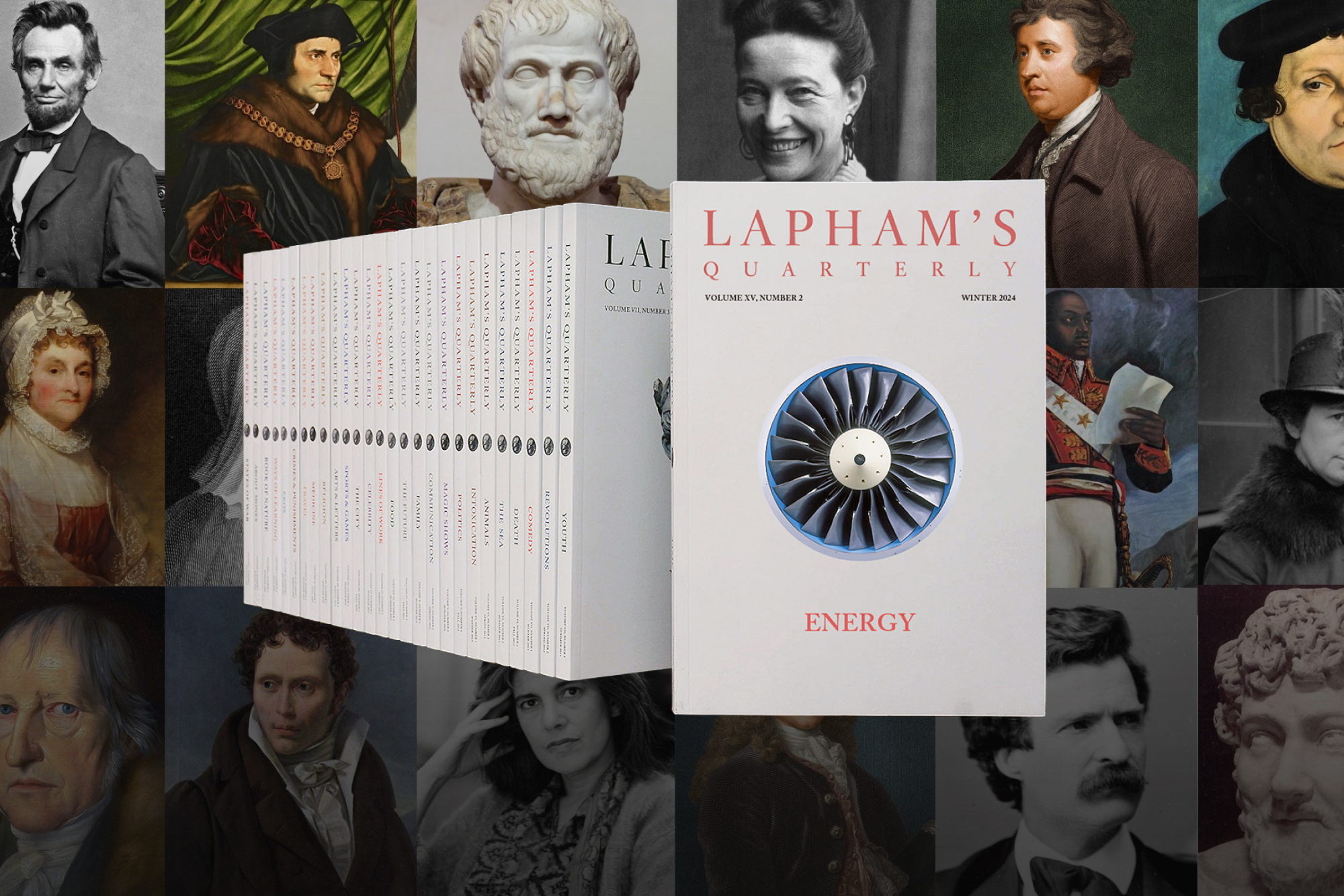
A couple months ago, writer and editor Donovan Hohn sent me an email asking if I knew any good off-the-shelf products that support magazine archives. Hohn is working to relaunch Lapham’s Quarterly. If you don’t know it, the Quarterly assembles great historical writing and art around single subjects—a typical issue might be about “Money” or “Energy.” It’s a phenomenal publication and great fun to read. It was founded in 2007 by Lewis H. Lapham, the legendary editor of Harper’s Magazine, who died in 2024.
After publishing for nearly two decades, LQ was forced into hiatus by the combination of COVID, Lewis’s declining health, and the general state of not-for-profit media. But fortunately, it has found a new home inside of the Hannah Arendt center at Bard College, and now people are working assiduously to bring it back—newsletter first, then podcast, and eventually print.
Donovan told me they had relaunched LQ on Substack (any port in a storm) in order to have a place to send out newsletters, share articles and interviews, and raise money through subscriptions and donations. But interested subscribers frequently asked for access to old issues. The team was considering a password-protected Google Drive, or one of the many magazine-issue hosting services. I’d built the archive at Harper’s way back in the day, so maybe I knew something that could work?
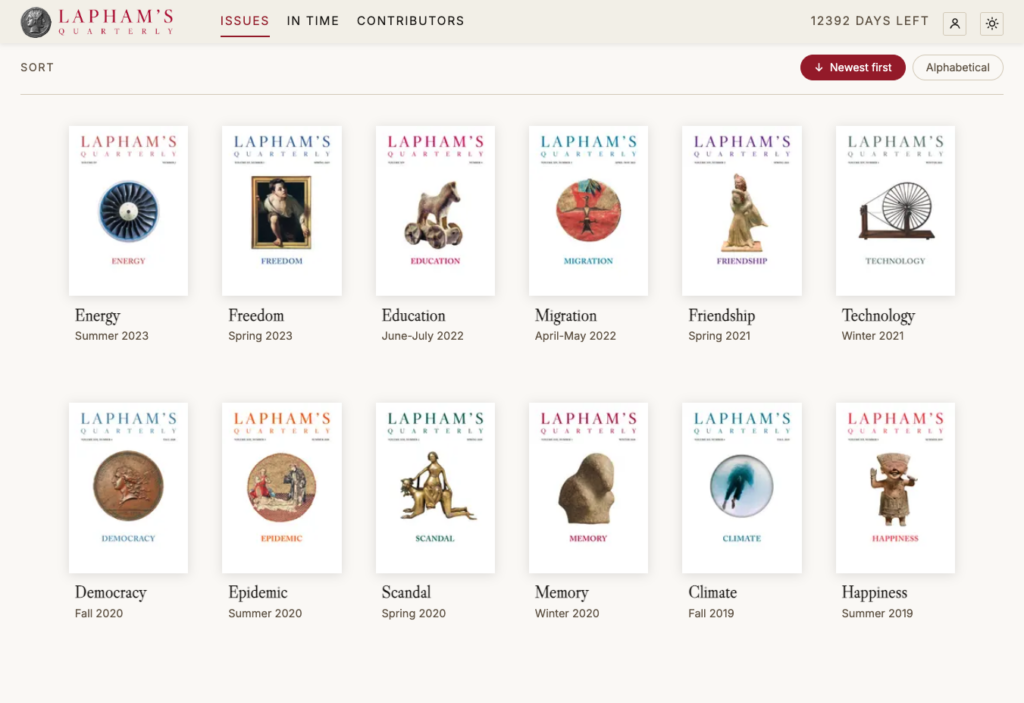
I looked around but didn’t find any great service they could use. So on a hunch, I asked for some PDFs and hacked together a nice prototype archive. Most of the hard work was done before I started: The PDFs were in fine shape, and the open-source tool PDF.js would let us host individual pages right in the browser, a page at a time. Since everything I needed was freely available, and because I’ve built archives before, getting an LLM to build a reasonable archive wasn’t that hard.
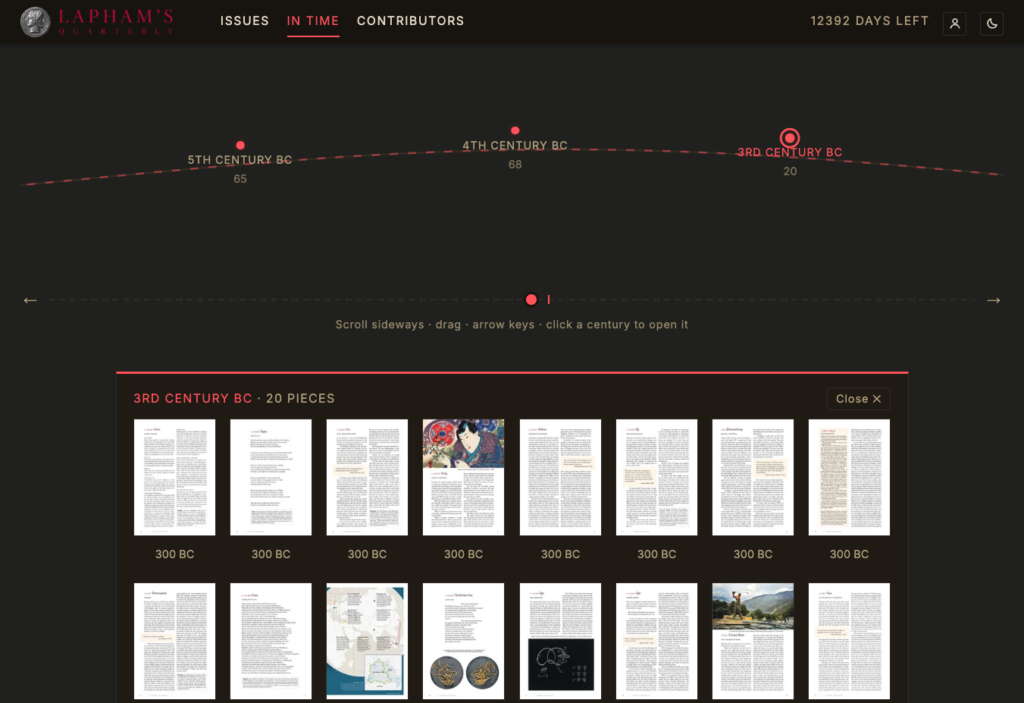
I shared the prototype with LQ and they were excited, so I handed it off to our team. Our design department built a lovely frontend based on the existing brand and assets, and our engineering team built a proper, resilient platform that can run on a cloud service with low maintenance. We also built some custom tools for subscriber management (Substack is very bad about APIs, so there’s some cutting-and-pasting and uploading of spreadsheets needed to create accounts—there’s no way around that, so we tried to make it easy). The team built a cool timeline visualizer, and then we worked to improve the data quality around search, author name extraction, and date extraction. Nothing is perfect, but it looks nice, reads well, works on mobile, and is fun to use. It’s such a vibrant magazine.
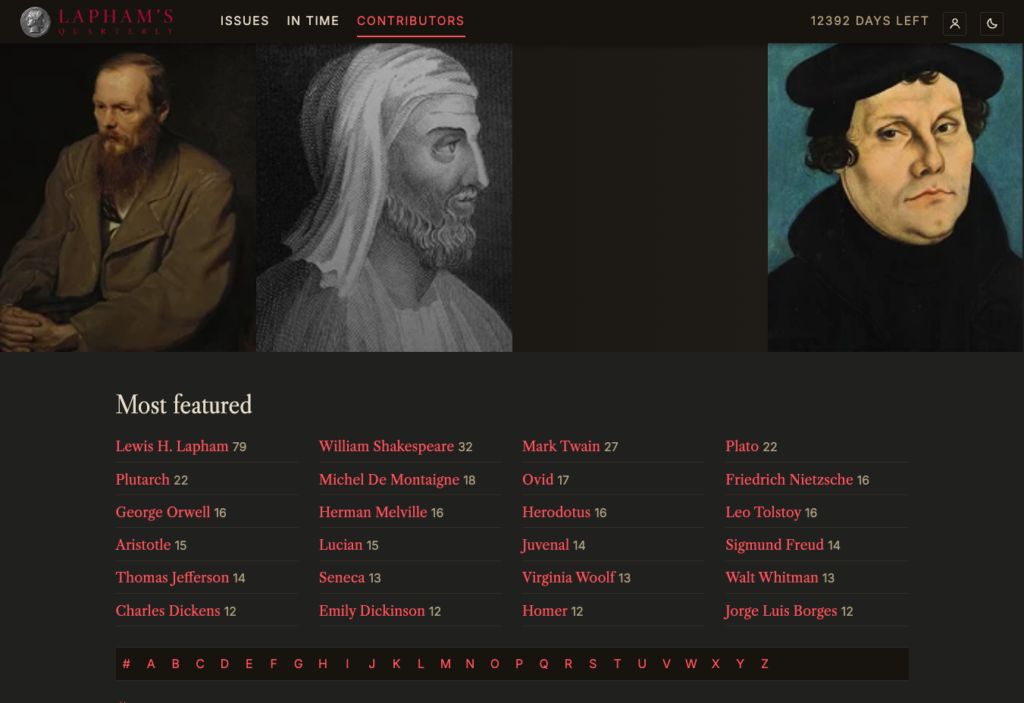
Note something important: Prototypes can come fast, but product still takes plenty of time. You find bugs, the PDF renderer has breakdowns, certain things are in lowercase for no good reason, extracted text isn’t searchable, and weird issues emerge around how email-based signups work. At the same time, the amount of pure engineering labor necessary to assemble a site like this is much, much less today than it would have been a few years ago.
In general, I’m hesitant about pro-bono software work—it tends to result in a lot of good feelings and press releases followed by years of unmaintained software and bad regrets. But in this case, after discussing it with the team, we felt we could do a good job and run it for a long time. It’s live now and subscribers are logging in, little bugs are showing up, and we’re fixing them. When new issues come out, we can add them to the archive.
I worked with Lewis many years ago and admired him very much. I’d stop by the Quarterly every few years, and he’d always have fantastic internet ideas. I could never figure out how to do something together, but this felt like a nice way to call back to those conversations. And it’s good to do something that people can see, touch, and experience (if they pay—and they should!). I’m hopeful that Donovan and team can put out dozens of additional issues in the years to come, and the archive will support that just fine.