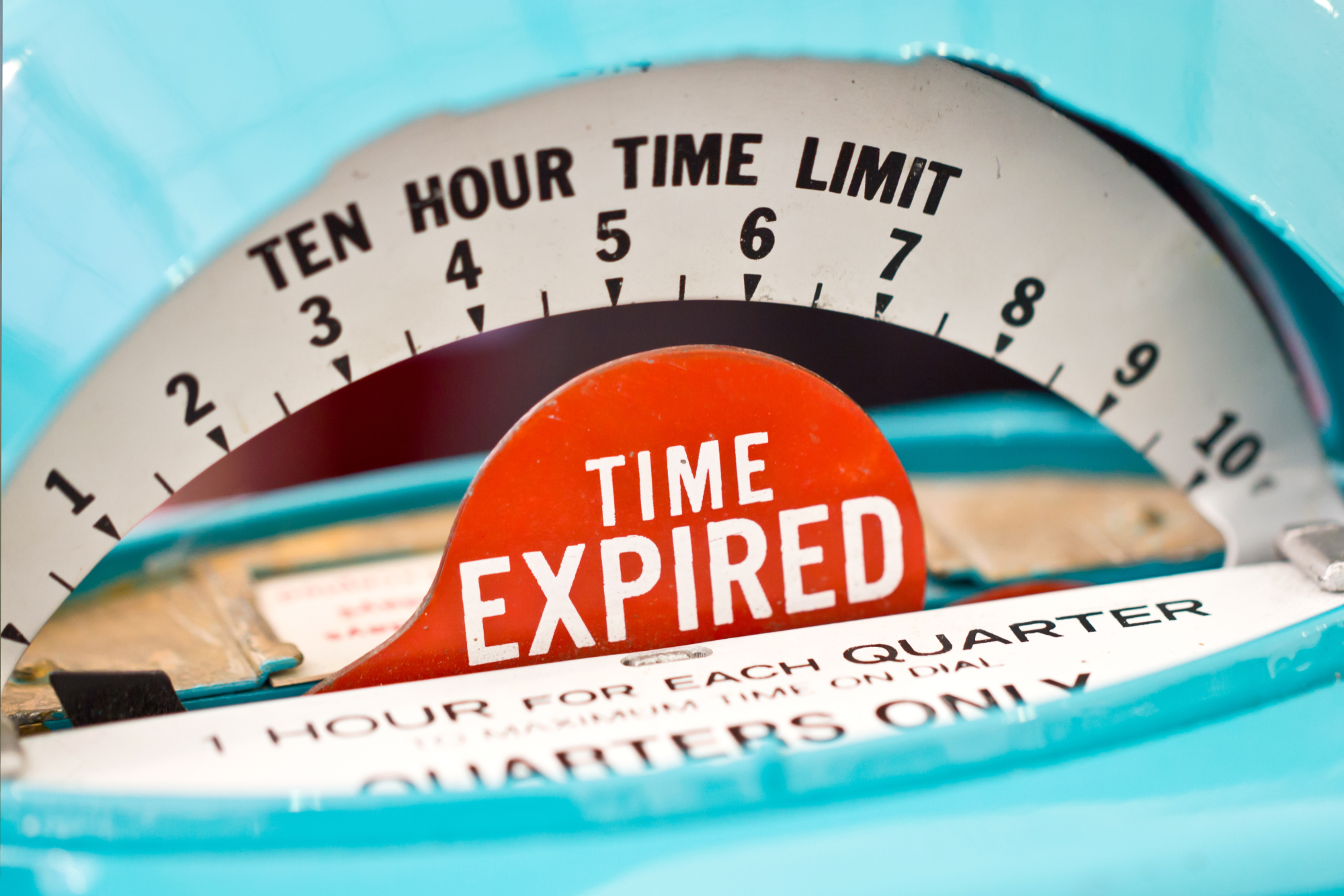
You used up your credits under the Max plan. Would you like to add extra usage?
Anthropic launched Claude Design last week. You prompt it to design a website, for example, and it designs it, often doing a relatively good job. Then you can click on the different elements on the page and tweak them or issue further prompts.
A lot of people were very impressed with it, and Adobe and Figma stocks fell. For me, the most interesting part was not that it could “do design.” It’s the parts of Claude Design that have nothing at all to do with AI—the click-and-fix and click-and-move elements, which are more akin to Canva or Google Slides. I think those aspects of the app point to a big shift coming in the software industry.
The fundamental unit of data in AI is the “token”—it’s sort of what “bytes” are to the previous computer revolution. Your prompts become tokens; tokens are emitted in result. “Token economics” are very high-stakes. The way an AI company works: You gather a ton of money, you build big data centers, and you train your model. Then people send you prompts (tokens up) and you generate responses (tokens down). In doing these things, you lose a ton of money, but eventually users will be so locked in that you’ll be able to raise your prices and balance things out. Will that work? Some big companies are pushing their developers to “tokenmaxx”—to burn as many tokens as they can in order to find some kind of vibe-coding advantage.
But there’s a challenge with token economics: Your competitor’s product is almost the same, so whatever edge you might find, you’ll quickly lose. What Anthropic does today, OpenAI or Google may do next month, DeepSeek might do a few months from now, and anyone’s phone may be able to do in a few years on its own. This means that, at least for now, the big AI companies are money-burning research labs that subsidize their users. In order to compete, these new companies need to keep building more data centers, creating better models, and getting hundreds of millions of new users—and then figure out how to lock them in forever. They need to point to trillions of dollars of future revenue in order to IPO. They’ll also need a plan to take on Google.
People often point to this gap and go, “That’s why we’re in a bubble.” It’s a logical conclusion to draw. But let’s say you have a few hundred million users telling you about their entire lives. You could start to do things with that data: Sell ads, for example, like OpenAI. You could also start offering your users something that employs your own AI, but keeps them around, doing things that don’t burn tokens at all (or burn fewer tokens, anyway). This is a little like building a more fuel-efficient car—you might make the engine faster, you might make the car lighter, you might throttle the car way down when it’s at an intersection.
Claude Design is a good example: It whips together a design in a few minutes, burning lots of tokens, but after that, you might tweak and noodle for hours, talking to the LLM much less often. During those noodling hours, you’re barely using any tokens at all. If the software is good enough and your design documents are already managed by Anthropic, you’re getting more value out of your account, and you won’t switch the moment a new, cheaper option shows up across the street. So you could think of Claude Design not as a “Figma-killer” or a “Canva-killer” but as a really cheap way to keep millions of people inside the big Claude tent.
“Cheap” is the most interesting part to me. When I look at Claude Design, I see how they took their ability to create “artifacts” and hacked together a DOM editor on top of it. It’s not a radical new step as much as a combination of different things Anthropic had already created. It probably wasn’t built in a weekend, but I’d guess the level of effort was way, way less—by an order of magnitude!—than was necessary to build Google Slides back in the day. Because of vibe coding, it’s much easier to build products than it used to be, and Anthropic already had a lot of the necessary technologies to make a “web and slide design tool.”
Play it out a bit: They also have the capability and skills to rapidly make Claude Docs, Claude Sheets, Claude Tax Assistant, Claude Group Chat, Claude CRM, Claude ERP, and on and on. OpenAI can do the same, of course. I wonder if they will? It’s easy to build software in 2026, but it’s still relatively hard to support, market, and maintain it. Today, people come to these tools for all kinds of advisory, and the chat gives them words in response. But it could also reply by saying, “Hey, great question. I loaded up the answer for you in ChatGPT Tax Assistant,” and drop that “software” right into the chat.
Now you’re moving sliders around, adding more data about your finances—and not burning tokens for much of that time. The LLM learns how much money you have in the bank, and it can use that information in tons of ways, some of which should make us nervous but probably won’t. Five years ago, no one would set out to build accounting software, for example, with a very expensive team behind them. But Anthropic can build their own QuickBooks now, if that’s what floats their boat, faster than their own bureaucracy can stop the project. The big AI companies are also rumored to be building their own “app stores” as well. There’s a future where you pay them money to do all kinds of things—and not all of those things involve burning tokens. You keep paying them forever. Let’s coin a term for it: Zoho-ification.
Will that even work? I mean, we’ve been through this before. It is a truth universally acknowledged, that a single software platform in possession of a good fortune, must be in want of an app store. Slack, for example, kept trying to become its own Google Docs; it added a whole platform. No one talks about that any more. These things weren’t failures, but they didn’t take over the world, either. People already have their email in Gmail and tons of docs in Google Drive; switching to Claude Docs would need to offer a big advantage. A local store owner already has all their templates in Canva and probably doesn’t want to switch to Claude Design. There’s a lot of friction here to overcome. That said, the ability to take an ephemeral chat and pop up an app—with the chance to turn the chat user into a lifelong user of a piece of software—is powerful. The ability to build your own Google Docs in a couple of weeks is powerful, too. Big AI companies have both of those powers; it’ll be interesting to see how they use them.
The stakes are very high, and humans are slow to change. But I do expect that Claude Design is the first of many, many AI-company-created apps to come that start with a prompt, then offer something a little more familiar. This is probably not good news for the ecosystem of startups built up around these AI companies. Even though I love software, there’s going to be too much software. But given the need of these companies to grow—and to grow in ways that don’t require them to build a new data center every afternoon—my hunch is that we should prepare ourselves for way, way too many apps.

An Op-Ed Written by the World’s Best Models
It’s important to hear all sides of the debate.

People Are Reclaiming the Computer
Observations from recent meetups on Jev and AI’s role in investigative journalism.
I Keep Accidentally Building Search Engines
Ironically, the AI-ification of everything makes this possible—and necessary.