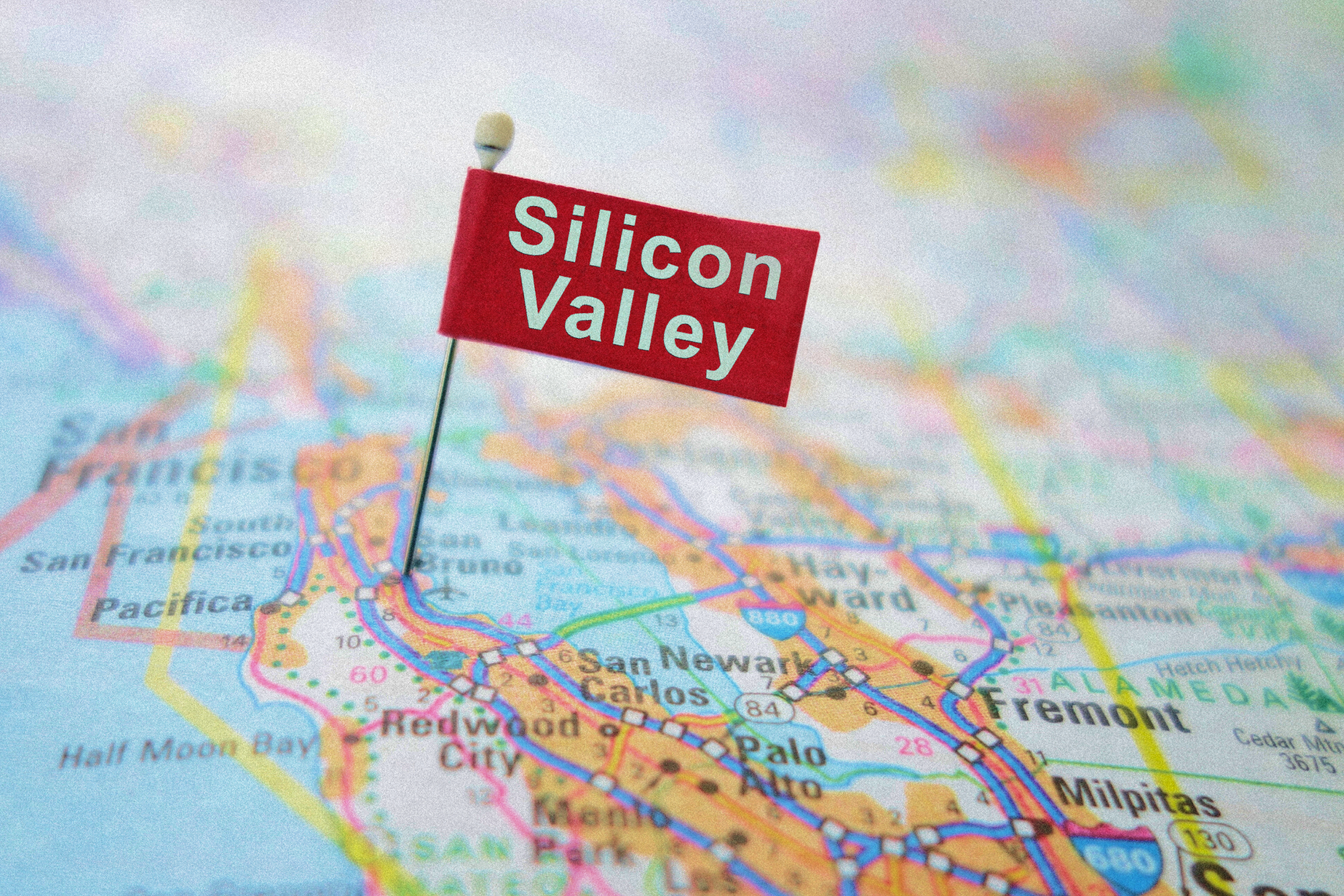
This is how you used to get around before Google Maps.
One of the recurring themes across our podcast and newsletter is the topic of humility. Over and over, we talk about how AI makes everyone feel all-powerful, and yet the outcomes are often not very good.
You can get amazing results in minutes—but that last mile is a doozy. It’s a rocky, uphill climb, and the ugly, boring details are what get you. Everyone keeps insisting there’s a way to escape it, and they’re right. So we keep telling people to slow down and think. As my co-founder Paul keeps saying: “I have good news. Product is still hard.”
But why? For a long time, we’ve been blaming the user. “Hey, chill out,” we’d say. “Stop giving your whole life over to AI without having a plan.” But then I saw this photo:
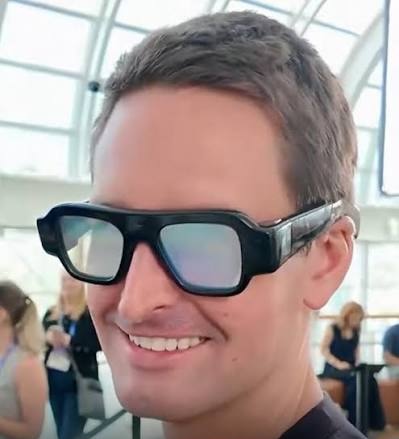
That’s Evan Spiegel of Snap wearing the hideous new augmented-reality Snap Spectacles—which look comically ridiculous on any human face and cost $2,195. Plenty of people are mocking them. I had a different reaction. When I first saw them, I immediately thought about AI.
Not in a, “I wonder how the AI is implemented” sort of way l, but more in a, “How can Silicon Valley be this disconnected from the rest of the world, over and over and over?”
The disconnect is a feature, not a bug
Silicon Valley thrives on ignoring status quo and convention and introducing new ways of doing things to the world. Calling cabs. Dating. Reserving a table in a restaurant. Socializing with friends. Everything in our lives is fair game. They call it “disruption.”
The thing about disruption is no one really wants it. That’s the whole point! This “disconnect” between the Valley and the rest of the world might sound like a problem. But for the Valley, the disconnect is the point. If they bothered to connect, they couldn’t disrupt.
But for all they need to disrupt, these companies also need…customers. So we end up with the current situation: We’re being offered constant AI empowerment, and simultaneously being told that we’re not keeping up and falling behind.
The result is a mass abandonment of what we’re actually good at (i.e. the skills and experience we cultivated for years) and the taking up of tasks and skills that are superficial and lead to pedestrian—or even downright wrong—outcomes. Designers are trying to ship code. Engineers are convinced they don’t need designers. Publishers are questioning the need for editors and writers. And so on. And if they don’t, they’re worried they’ll be left in the dust.
Every so often, this works for the Valley. Web 2.0? Amazing. Cloud computing? Mobile? Absolutely. Blockchain/Web3? Can’t win ’em all. The wonder of technology often does upend how we do things today. But this time, it’s different. AI is one of the biggest bets the Valley has ever made. And it’s not one bet; it is many. It’s more like a portfolio of bets—many of which will not lead to wins.
Missing the messiness
On the software-building side of things, this is all turning out to be a gross misread of how the world really works. By convincing everyone that they can do everything, craft and care has given way to a casual hobbyist mindset. The results are not very good. While top-tier engineers can benefit greatly from AI’s coding capabilities, shipping great software that actually makes its way into real users’ hands turns out to be really hard.
The world is a complicated, stubborn place. The quick hits off of prompt boxes will not quickly change how a business works or a government functions. This is partly due to the quality of the output, but also because nothing is straightforward in the world. Data is messy. Edge cases are everywhere. Odd processes borne out of many years of cultural evolution abound.
That messy last mile is not just about QA testing. It is also about understanding how people work and the millions of organizational cultures that make it all tick. The only way to penetrate that world is to send in a delegation to negotiate change, and to deliver something that makes sense to that culture.
The big AI companies are already getting wind of this. There’s a new appetite for sending humans out as the tip of the spear. “Forward deployed engineers” is just a fancy way of saying “we’re going to send some people in to learn about your world and listen intently to your needs.” It’s old-school consulting packaged up as some modern new species of problem solver.
If you’d like to really dive into how messy the world really is—and how humbling it will be for the AI companies of the world when reality truly sets in—pick up a copy of AI for Good by Josh Tyrangiel. (We recently hosted a book event for Josh, and you can catch him on the podcast soon.) The title is misleading: It’s not just a collection of feel good stories of AI successes that make the world a better place. Above all else, it is about how AI as a technology is utterly humbled by the complexity of the world.
A closing apology
We’ve spent a lot of time telling users to be more humble, and to recognize that AI doesn’t instantly make you a designer, engineer, writer, or product builder. Great work still requires craft, experience, and care.
All of that is true, but much of the AI movement rests on the assumption that the world will reorganize itself around AI’s strengths and preferred ways of working. Maybe that will happen in the future, but not today. Businesses, governments, schools, and communities are shaped by culture, history, incentives, and countless human complexities that don’t yield to a prompt box.
Asking Silicon Valley to be more humble is a ridiculous endeavor. Humility is not the path to changing the world in disruptive ways. So let’s not bother. The world, in all its infinite, messy complexity, will do the job for us.
An Op-Ed Written by the World’s Best Models
It’s important to hear all sides of the debate.

People Are Reclaiming the Computer
Observations from recent meetups on Jev and AI’s role in investigative journalism.
I Keep Accidentally Building Search Engines
Ironically, the AI-ification of everything makes this possible—and necessary.